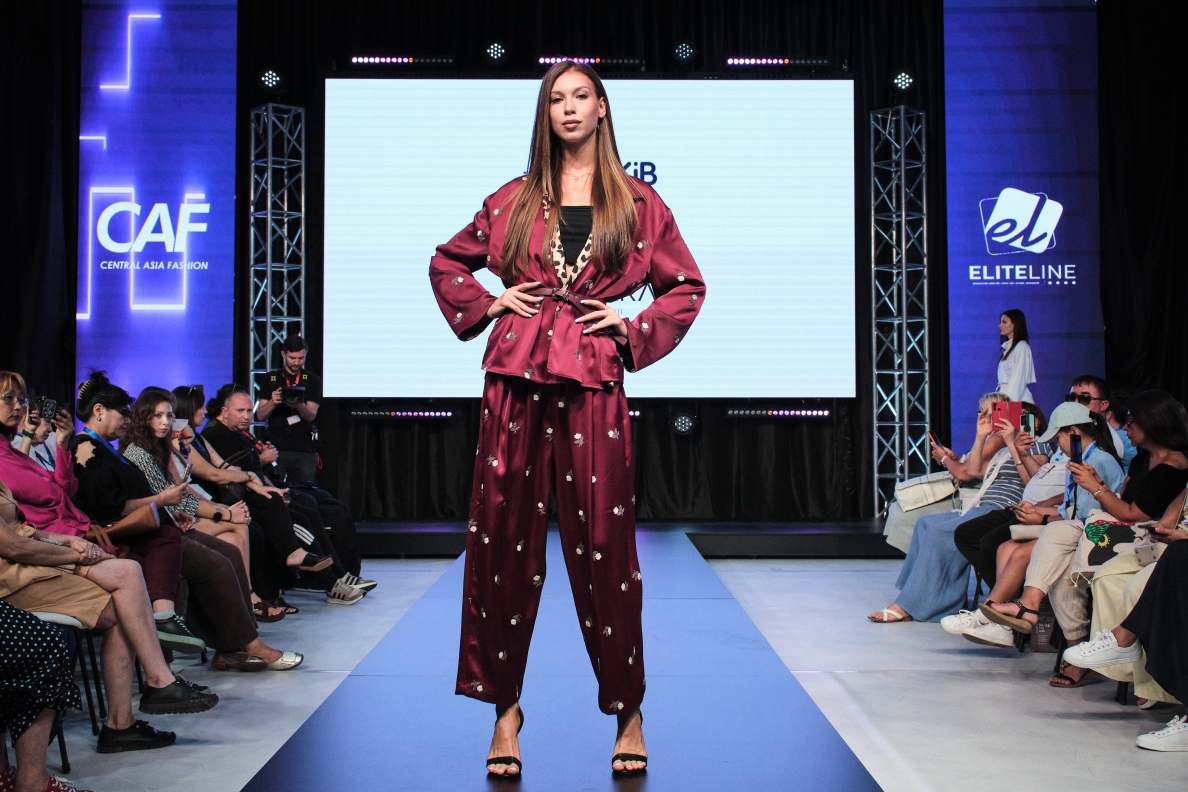
FASHION TRENDS FOR AUTUMN–WINTER 2026/2027
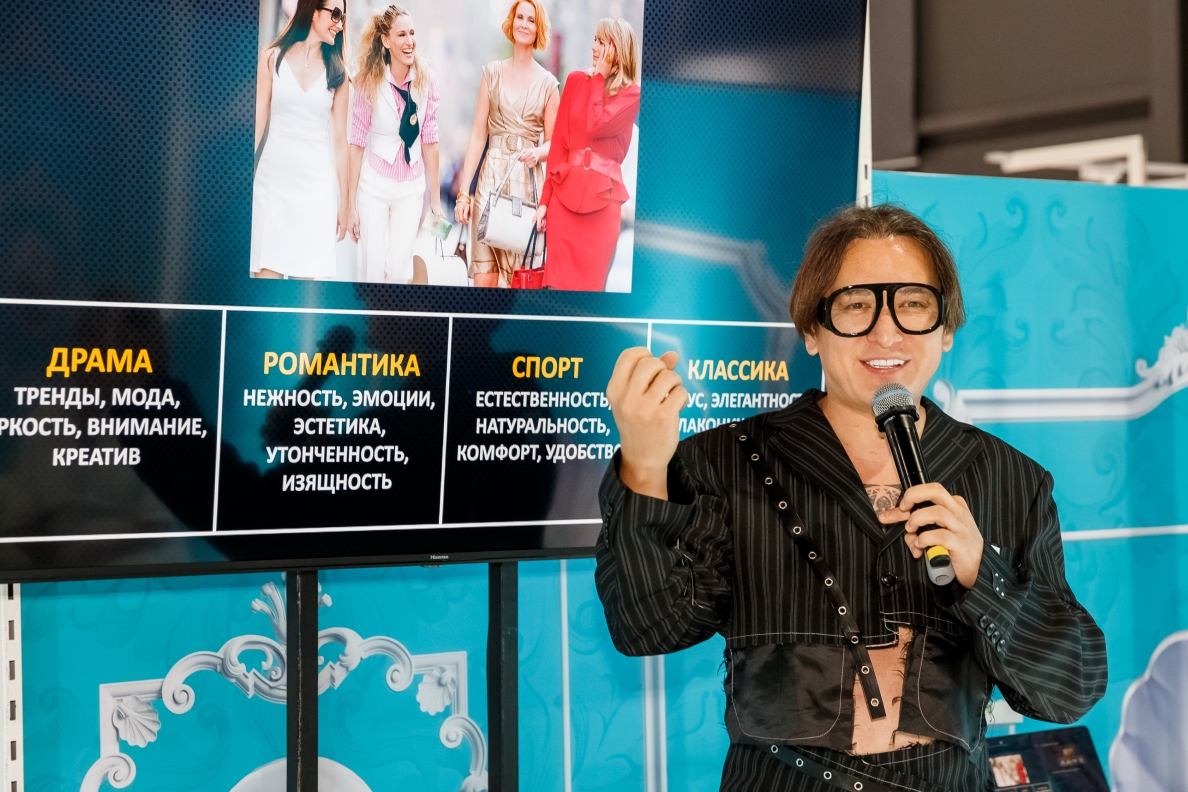
The 38th Central Asia Fashion Autumn-2026 International Fashion Exhibition and the 7th edition showcased the key trends for the Autumn-Winter 2026/2027 season. Madi Bekdair, a renowned Kazakhstani stylist and founder of the School of Conceptual Stylists and the ‘Style Session’ Community of Image Stylists, shared detailed information on what to wear this season.
The season’s macro-trends are practicality, seasonless fashion and imperfection.
Practicality
«In a climate of economic instability, this is becoming one of the hallmarks of consumer behaviour. People are re-evaluating the value of things and moving away from ostentation; practicality and value for money are now what count. Psychologically, this trend reflects a desire to regain a sense of control over one’s own life and resources, where sensible consumption becomes not a necessary measure, but a new social norm and a sign of maturity».
The blurring of seasonal boundaries
«Warmer winters, cooler summers and unpredictable weather patterns—which are becoming increasingly common in our lives—are blurring the familiar boundaries between the seasons. Consequently, people are increasingly opting for versatile, layered looks rather than a rigid division into ‘Autumn–Winter’ and ‘Spring–Summer’ collections. From a psychological perspective, this trend reflects people’s desire to adapt to a world in which stability is giving way to flexibility».
Imperfection
«This is our response to visual fatigue caused by flawless looks created by AI algorithms, smartphone filters and the aesthetics of total control. Texture, imperfection and signs of human involvement are becoming increasingly valued: raw edges, visible seams, crumpled fabrics, a mix of styles and deliberate carelessness. Imperfection is becoming a new form of luxury because it demonstrates freedom and allows people to express their individuality».
Fringing
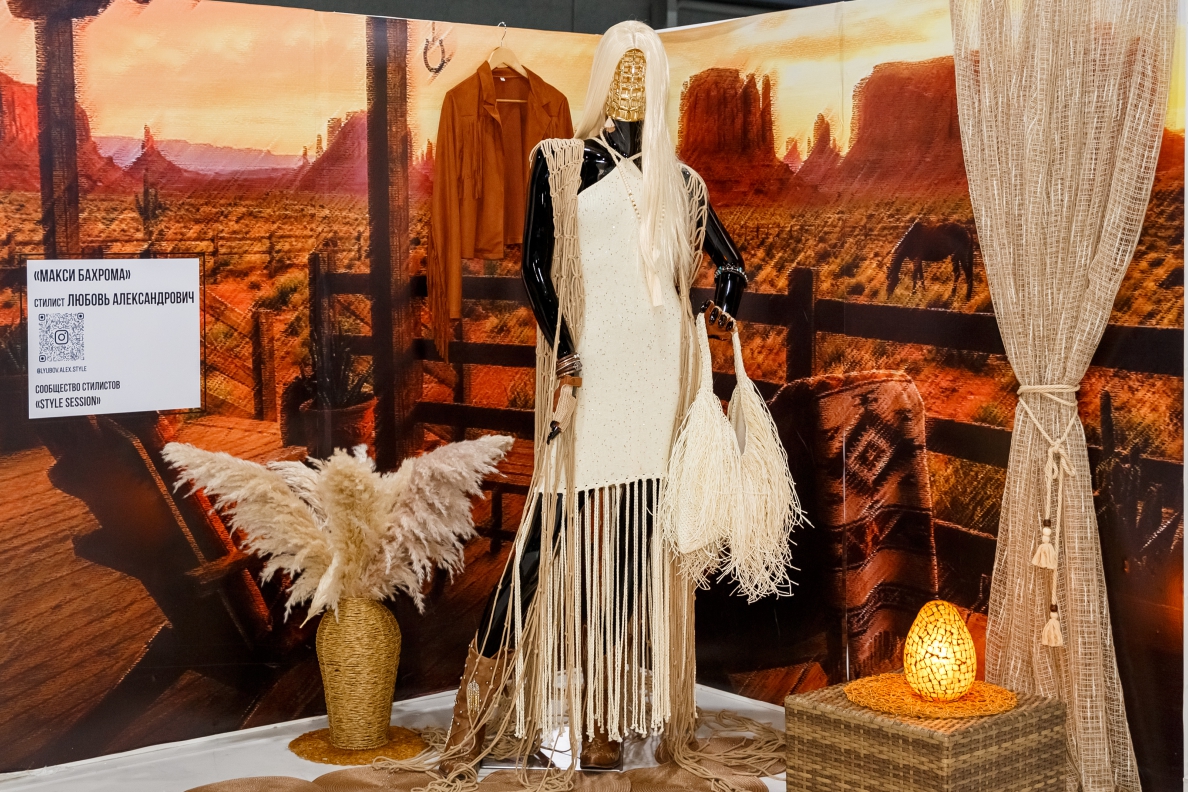
«People are surprised that fringe is still on trend; for some reason, they seem to think it should already be gradually fading away. However, fringe as a texture or decorative element is like a checked print. It doesn’t disappear, but simply transforms. One season it might be a chequered pattern, the next – tartan, and the next – houndstooth. It’s the same with fringe: today it’s Art Deco, tomorrow it’s country, then boho, then biker-style leather fringe. It’s constantly changing, but it doesn’t disappear. How can the average person keep their head above water in all this? By following stylists, keeping an eye on fashion shows, attending exhibitions, observing and analysing».
Animal prints
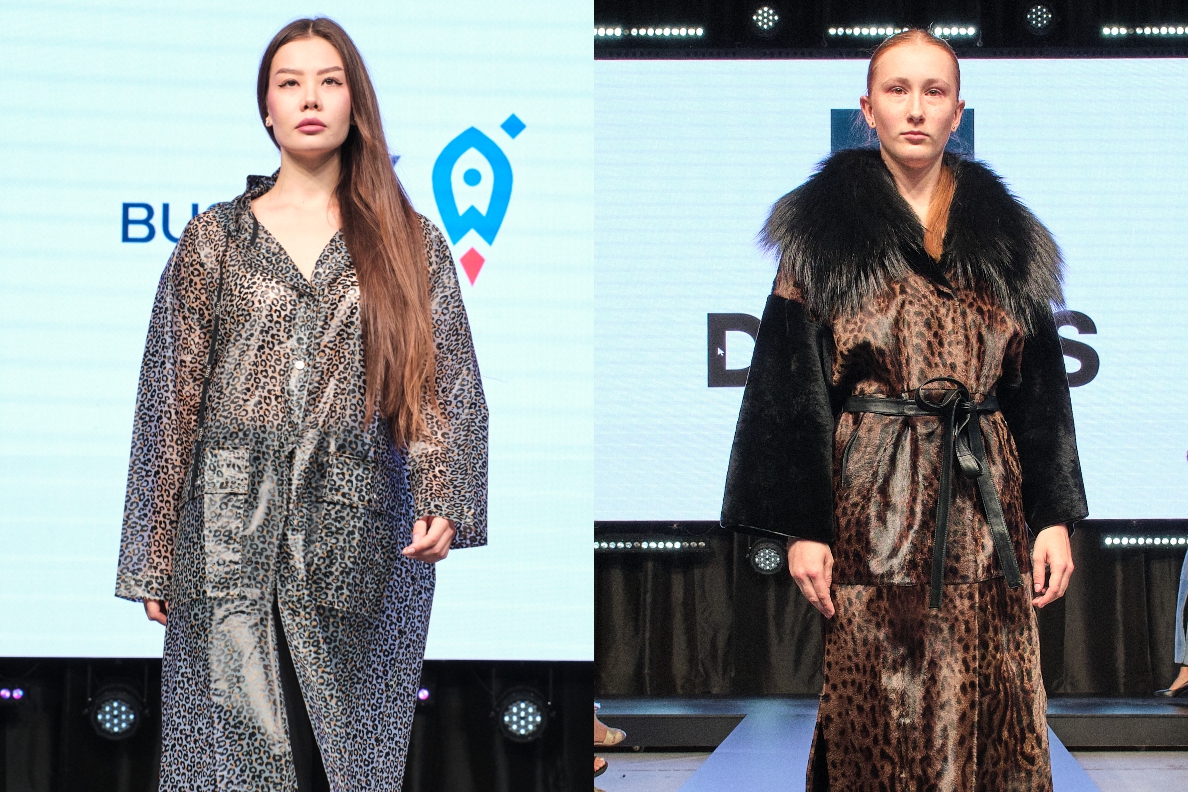
«You need to realise that fashion has become very slow these days. It’s been a long time since a trend would suddenly appear and then just as suddenly disappear. Take leopard print, for example. How many times did people say it was just a passing fad? But it’s already become a staple; it just changes: today it’s leopard, tomorrow it’s lynx, then snow leopard. And, incidentally, thanks to this, we’ve come to view the trend more calmly; it now seems neutral rather than garish. And it’s the same with many trends. You can easily wear something you bought two years ago, simply by mixing and matching it in new ways».
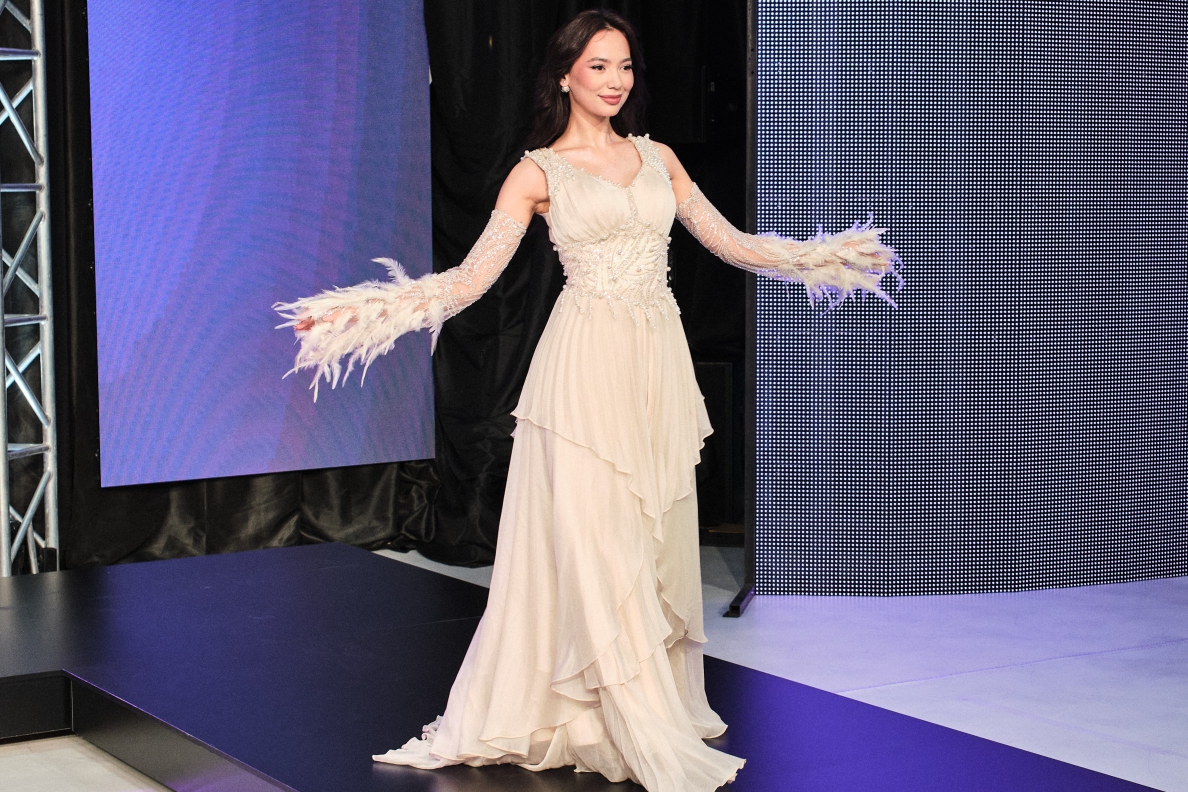
Feathers
«There are plenty of them around at the moment, which is very telling, because feathers are all about the pursuit of lightness. We’re overwhelmed by reality, politics, the economy, all sorts of events… That’s why we crave visual weightlessness, romance and emotion. This happens at a subconscious level. It’s significant that what’s in vogue at the moment are mainly not real feathers, but imitations – textiles and textures. We’ve started to think more about the environment. Overall, feathers aren’t just decoration; they’re society’s psychological reaction to what’s happening in the world».
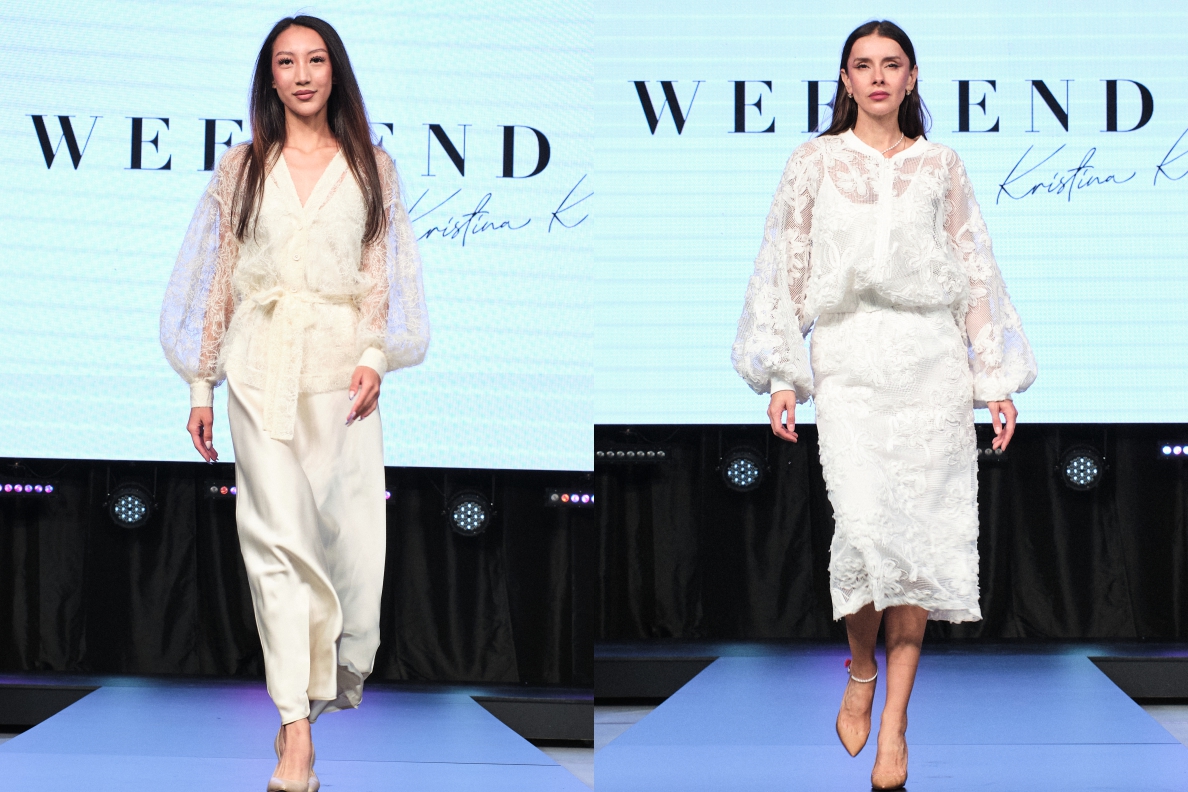
Cutwork lace
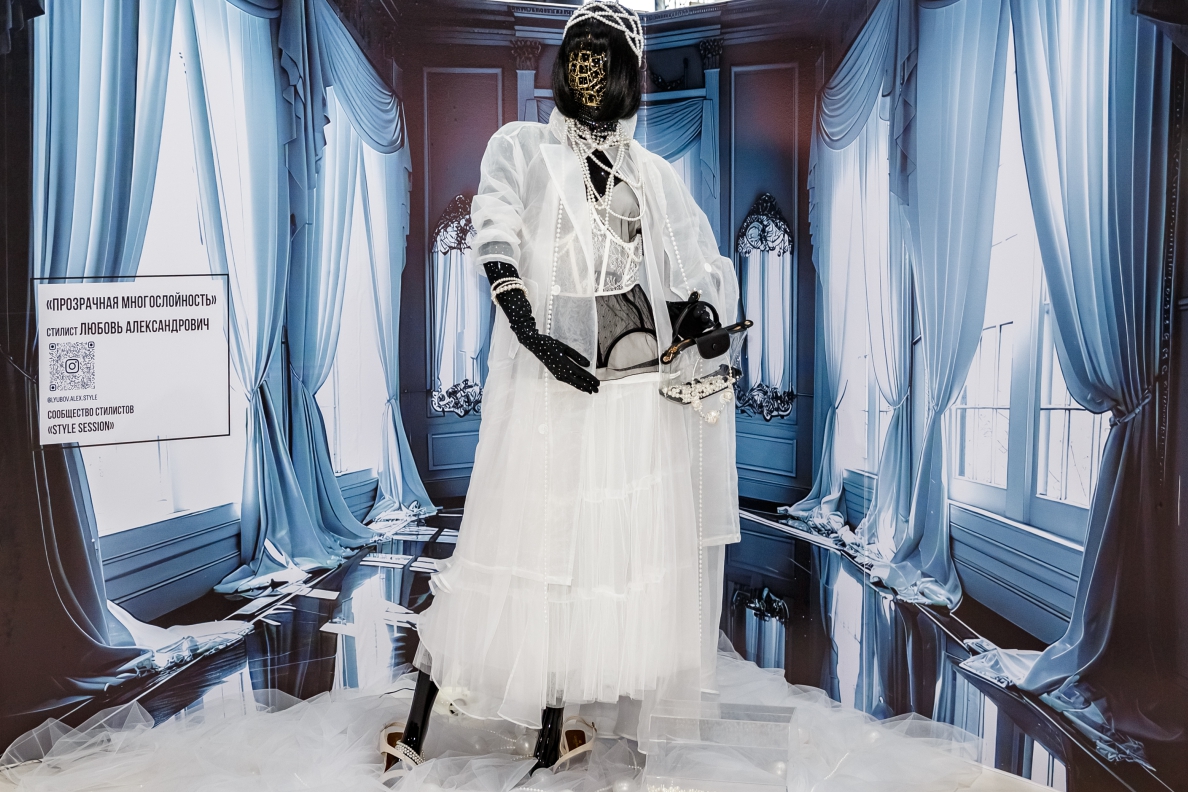
«Intricate carvings in the form of flowers, scrolls and leaves – the sort you might find on window frames in Vereya or Vologda – but we’ve seen them on dresses by Dolce&Gabbana and Fendi, jackets by Saint Laurent and pencil skirts by Simone Rocha».
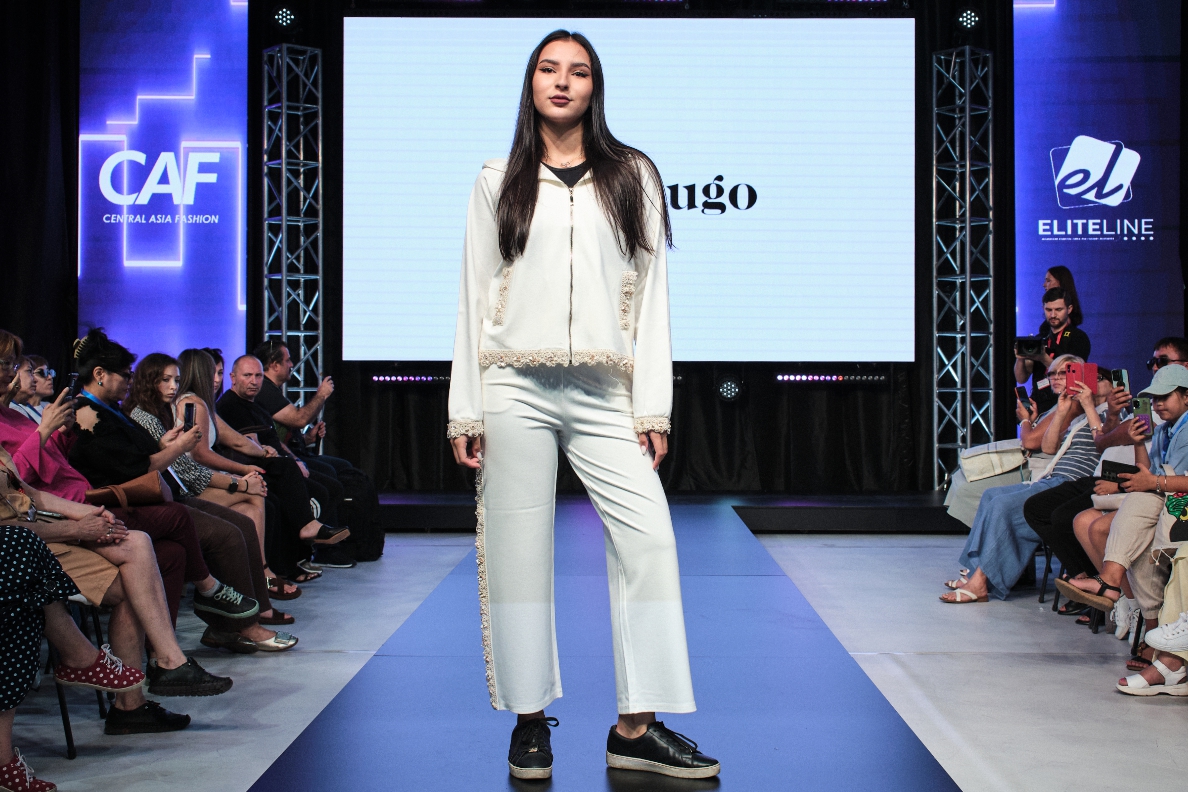
Eclecticism
«People watch fashion shows and make notes to themselves: ‘Everything’s embroidered with lace, even sportswear’, ‘Why are dresses being worn with trainers?’, ‘They’re combining things that seem incompatible – what’s that all about?’. I’d say that eclecticism is no longer just a trend, but a philosophy of the new era. We no longer ask whether something goes with something else or not. We simply take things and put them together. Any kind of eclecticism is your prerogative. I’ve become much more relaxed about even the strangest combinations. I no longer feel the need to prove to anyone that ‘you can’t do that’. The main thing is that it isn’t boring or dreary».
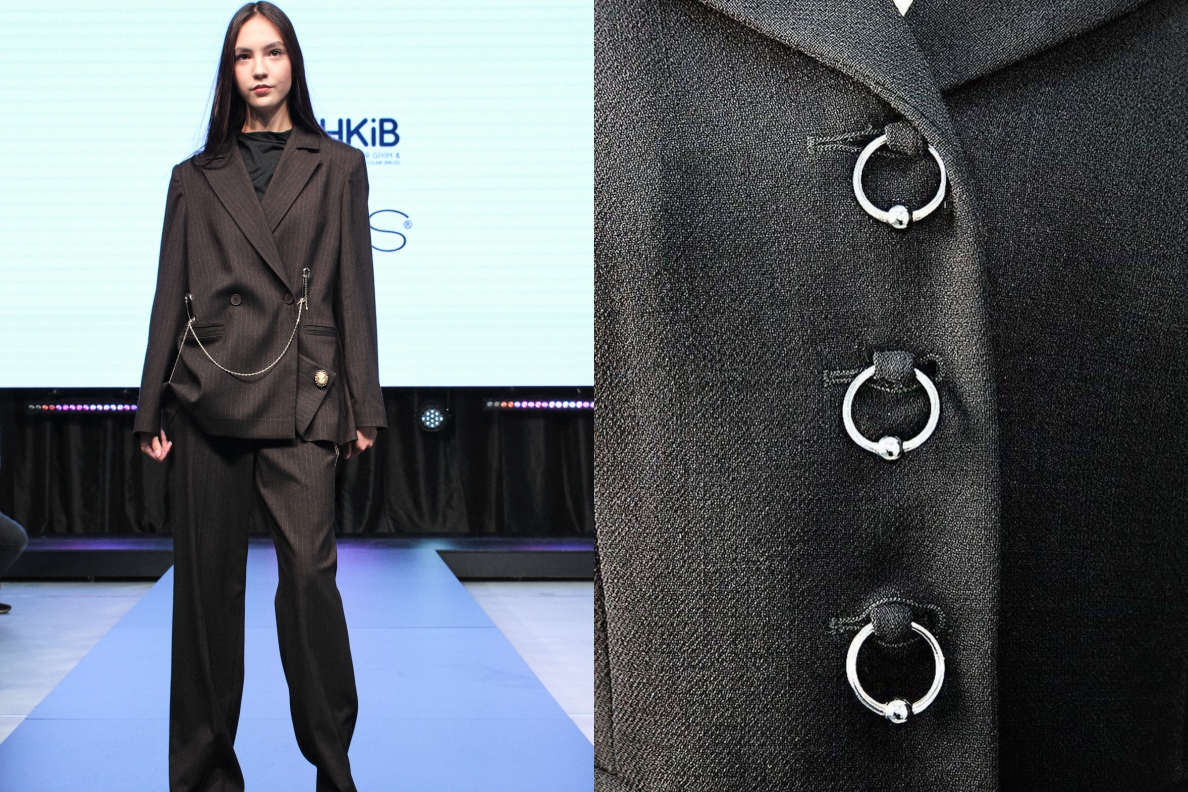
Clothing piercing and unusual accessories
«Simple yet striking styling ideas are very popular at the moment: playing around with pins, unusual buttons and brooches. For example, take some hoop earrings – any sort, even inexpensive ones – and thread them through the loops of your buttons. It looks unexpected and very stylish. As for brooches, that’s all well and good; we’ve already been there, done that. Anyone with even a passing interest in style knows that these days you can wear a brooch anywhere – on your feet, on your head, on your bag, on your sleeves. It’s no longer seen as ‘classic’ and has definitively become a versatile accessory. We’re taking it a step further. Now – earrings. In fact, it’s a sort of ‘piercing’ for clothes: we take a familiar accessory and use it for something other than its intended purpose. We thread them through loops, clip them onto fabric, socks or pockets, and create an unexpected, lively accent. This is the Rebel archetype. I do what I want! When there’s instability all around, people want to create their own system, their own order, and this is expressed very well through clothing. It’s linked to personal identity; your look should be about you. You could even take inspiration from your totem animal – not literally, but through associations: textures, shapes, details».
Crocodile
«This season, crocodile skin and materials that mimic it are a favourite with every other designer».
Pyjama-style clothing for many occasions
«This is no longer so much a trend as a habit; it stems from the Covid era. We’ve grown accustomed to comfort and don’t want to give it up. That’s why lightweight fabrics and relaxed, aesthetic silhouettes remain popular. What’s the main idea behind fashion right now? To put it elegantly, it’s a quest for a neo-Renaissance – a return to oneself, to one’s feelings, to aesthetics, to creativity. We’re starting to work with colour, textures and emotions again, and, most importantly, we’re moving away from being ‘just like everyone else’. The main principle is not to be boring, not to be part of the grey masses. There’s no need to dress the way 10,000 other people in your own city do. Remember why your mum and dad brought you into the world, what talents they’ve blessed you with, and what your core qualities are – and turn them into an art performance».